Best Time to Visit Hawaii for Every Season and Traveler
Choosing when to visit Hawaiʻi often starts with a simple question: what do you want your trip to feel like?
You might be planning beach days with the family, looking forward to exploring Honolulu’s neighborhoods or hoping to build a visit around a cultural celebration. Perhaps your dates are already decided, and you simply want to know what to expect.
The best time to visit Hawaii depends on those plans. Warm weather makes the islands appealing throughout the year, but rainfall, ocean conditions and seasonal events can change the experience.
For a Honolulu stay at Pagoda Hotel, spring and fall are useful starting points if your dates are flexible, while summer suits travelers looking for warmer weather and winter brings its own reasons to visit. Here’s how to choose the season that works for you, with Oʻahu as your home base.
Get to Know Hawaiʻi’s Seasons
Hawaiʻi’s seasons don’t follow the same pattern as destinations with cold winters and hot summers. The main distinction is between a warmer summer season, generally from May through October, and a cooler winter season from November through April.
Rainfall also changes throughout the year, with wetter conditions generally more likely in winter. That doesn’t mean every winter day is rainy, or that summer comes with guaranteed sunshine.
Where you spend your time matters too. Mountains, elevation and exposure to the trade winds create different conditions across the islands. A forecast for Honolulu won’t necessarily describe what you’ll find on Oʻahu’s windward coast or along a mountain trail.
Use seasonal patterns to help choose your dates, then check local forecasts as your trip approaches.
Visit in Spring for Exploring and Cultural Celebrations
Spring can be a good fit if you want a mix of sightseeing, beach time and days spent discovering Honolulu.
March still falls within the wetter part of the year, while April and May move toward warmer conditions. If your plans involve walking around the city, visiting cultural attractions and spending time outdoors, this transition gives you several months to consider.
It’s also a season with meaningful events on Oʻahu. The Honolulu Festival usually takes place in March, bringing cultural performances and activities to Honolulu, while Lei Day on May 1 celebrates the artistry and traditions of lei.
For a spring stay at Pagoda, you could spend one day exploring the city, another around Ala Moana, and leave space for an event that interests you. Check the official calendar before booking around a particular celebration, as programs and arrangements can change.
Choose Summer for Warm Days and Family Vacations
Summer is worth considering if warmer weather is high on your list. Honolulu’s average daytime highs climb through June, July and August, making time by the water a natural part of many visitors’ plans.
For families, summer may also be the simplest time to travel around school schedules. Give yourself room for slower mornings and breaks between outings, particularly when exploring with younger children.
A day doesn’t need to include several attractions to feel well spent. Breakfast, a beach visit and an afternoon back at the hotel can be enough.
Summer’s generally drier pattern still comes with occasional showers, and ocean conditions need checking throughout the year. Choose beach activities around the conditions on the day rather than assuming a particular month guarantees calm water.
At Pagoda, rooms with two queen beds give families space to spread out, and the outdoor pool is open daily from 8:00 AM to 7:00 PM for cooling off between outings.
Consider Fall for a Flexible Honolulu Getaway
September and October are worth comparing if you can travel outside fixed school vacation dates.
Honolulu stays warm through both months, so fall can still suit a trip centered on beach visits, outdoor dining and exploring the city. November moves into the cooler, wetter season, making a flexible itinerary especially useful.
If you’re hoping to find good value, compare several arrival dates rather than assuming every fall week will cost less. A holiday, conference or major event can affect availability even outside the main summer travel period. Seasonal offers can also help shape your plans: Pagoda’s Fall Escape offer is worth checking if you’re considering an autumn visit. Compare the eligible dates and full stay price alongside your flights before deciding when to travel.
Enjoy Winter with a Mix of Indoor and Outdoor Plans
Winter in Hawaiʻi is still mild by many visitors’ standards. In Honolulu, it can suit travelers who enjoy combining time outdoors with museums, shopping, local dining and cultural attractions.
Rain is more likely during this part of the year, so avoid making every day depend on a beach outing. Keep a few alternatives in mind and leave room to move plans around.
Winter also changes the coastline. Oʻahu’s North Shore is known for large seasonal surf, which can be impressive to watch from a suitable viewing area. Those waves are a reason to take ocean conditions seriously, especially if you’re unfamiliar with the beach.
December adds another consideration: the Honolulu Marathon. If you’re visiting to participate, support someone or simply enjoy the city, check the event schedule and transportation arrangements before making plans.
A winter trip works best when you give yourself options and let the conditions help shape the day.
Honolulu Weather by Month: What to Expect
If you’re comparing Hawaii weather by month, remember that one set of figures can’t represent every island or elevation.
The guide below uses Daniel K. Inouye International Airport’s 1991 to 2020 climate averages, with average daily highs rounded to the nearest degree. It’s a planning reference for Honolulu, rather than a forecast for your stay.
Month
Average Daily High
Planning Notes
January
81°F / 27°C
Mild daytime weather during the wetter season
February
81°F / 27°C
One of Honolulu’s cooler months; pack a light layer for evenings
March
81°F / 27°C
Similar temperatures to winter, with showers still part of the picture
April
83°F / 28°C
Gradually warmer as the season transitions
May
85°F / 29°C
The start of Hawaiʻi’s warmer summer season
June
87°F / 31°C
Warmer days suited to planning breaks between outings
July
88°F / 31°C
Summer heat makes shade and time to cool off welcome
August
89°F / 32°C
Typically among Honolulu’s warmest months
September
88°F / 31°C
Summer warmth continues into early fall
October
87°F / 31°C
Warm conditions during the transition toward winter
November
84°F / 29°C
Cooler than summer, with wetter-season conditions returning
December
82°F / 28°C
Mild daytime temperatures and a flexible approach to outdoor plans
Nighttime temperatures are lower, and conditions can feel different in breezy areas or at higher elevations. Pack for the activities you have planned as well as the month you’re visiting.
Find the Best Time to Visit Honolulu for Your Plans
The best time to visit Honolulu becomes easier to choose once you decide what matters most.
If warmer weather is your priority, start by comparing late spring through early fall. If you prefer exploring the city in somewhat cooler temperatures, winter or early spring may appeal, provided you’re comfortable adjusting outdoor plans around rain.
For families, school calendars may decide the season before anything else. Focus on finding suitable rooms, leaving enough time between activities and choosing a location that makes everyday plans manageable.
For couples and travelers with flexible dates, compare a few weeks across spring and fall. Look at the full cost of flights and accommodation, alongside any events you want to attend.
And if a festival, race or family occasion is the reason for your visit, begin with that date. Build the rest of the trip around it rather than trying to find one month that does everything.
Make Room for Honolulu’s Annual Events
An event can give your trip a focus, whether it’s something you’ve traveled for or an experience you discover while planning.
Spring brings the Honolulu Festival and Lei Day. Aloha Festivals celebrate Hawaiian culture later in the year, while fall film events and December’s Honolulu Marathon offer other reasons to choose particular dates.
Take time to learn about an event before adding it to your itinerary. Check whether tickets or reservations are needed, where activities take place and how to participate respectfully.
Use the official Oʻahu events guide to explore what might fit your visit, then confirm details with the organizer.
Keep Your Plans Flexible in Every Season
Whatever month you choose, a little flexibility makes planning easier.
Check local forecasts before outdoor activities and ask lifeguards about beach conditions. Keep a light rain layer with you, alongside sun protection and comfortable footwear for exploring.
It also helps to avoid filling every day before you arrive. Leave time to return somewhere you enjoyed, change an outing or spend a slower afternoon near your hotel.
If your dates are flexible, compare the total price of different stays, including taxes, applicable fees and transportation. Browse Pagoda’s current offers to see what suits your plans, and check the terms for the rate you choose.
Once you’ve chosen your season, having a convenient place to stay helps the rest of the trip come together.
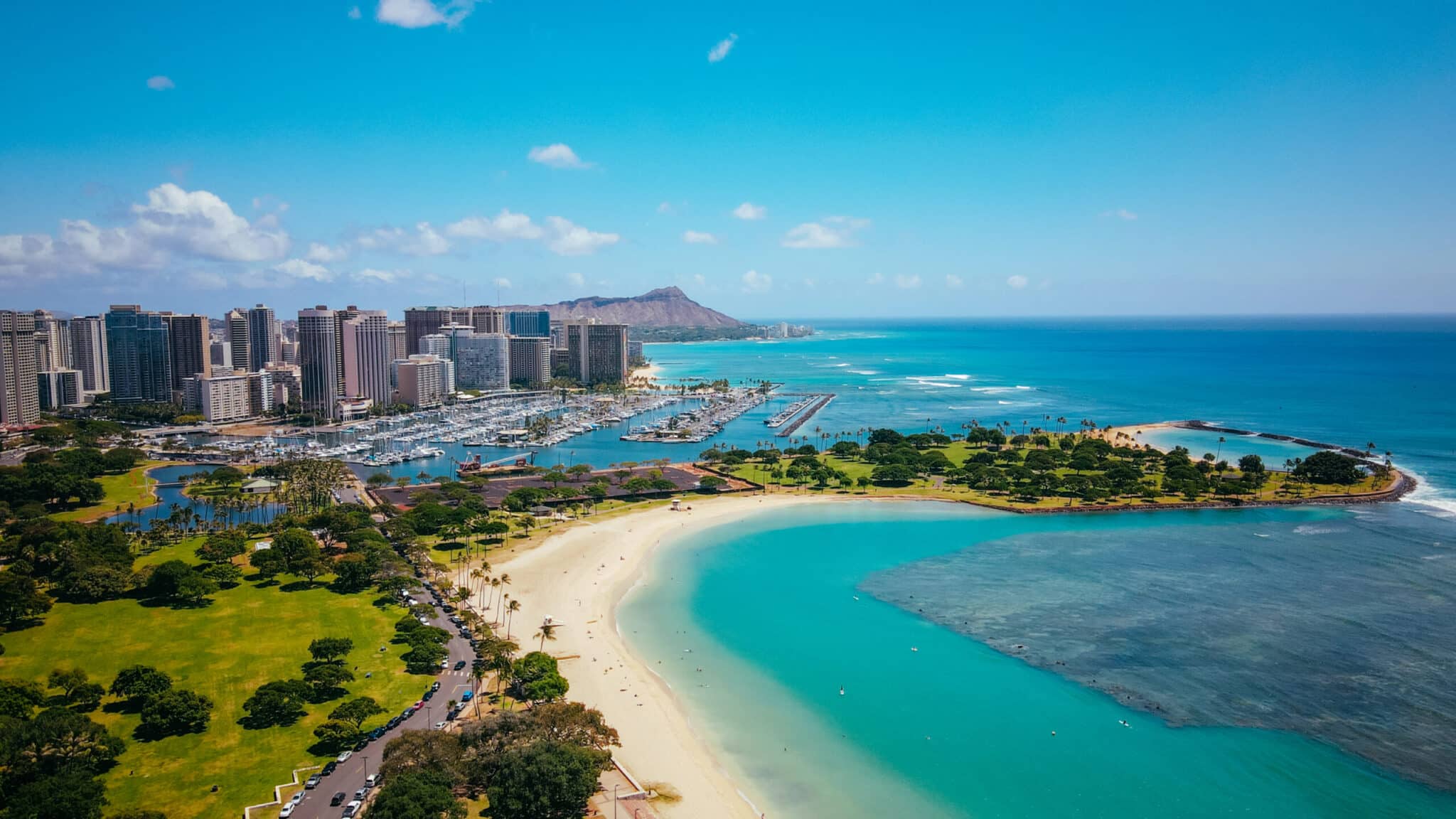
Pagoda Hotel puts you in central Honolulu near Ala Moana, with shopping, neighborhood dining and Ala Moana Beach Park nearby. You can explore Waikīkī, discover more of the city or keep the day close to the hotel.
Between outings, settle into a comfortable guest room, spend time by the outdoor pool or pause around the Japanese-inspired garden and koi pond. Breakfast at Pagoda Floating Restaurant gives you another easy way to begin the day.
Pick the season that suits your plans, then start shaping your Honolulu stay.